Shared Power Bank Overseas Deployment: 2025 Growth Trends, Feasibility, and High‑Potential Use Cases
Meta Description:
Discover the 2025 growth outlook and deployment feasibility of shared power banksystems for global markets. Learn about diverse scenarios, revenue models, andfuture development potential.
1. Introduction
The global demand for portable charging solutions has never been higher. As smartphones become indispensable tools for payment, navigation, social media, and entertainment, battery anxiety continues to drive consumers toward convenient charging options. Among these, the shared power bank model-where users rent portable batteries from self‑service kiosks-has gained remarkable traction, especially in Asia, and is now rapidly expanding into Europe, North America, and the Middle East.
For overseas retailers, venue operators, and entrepreneurs, deploying a shared power bank station is no longer a niche experiment; it is a proven business upgrade that generates passive income, enhances customer experience, and builds brand loyalty. This article provides a thorough feasibility analysis for overseas deployment, highlights 2025 growth forecasts, explores diverse placement scenarios, and outlines the long‑term development potential of shared power bank networks in global markets.
2. 2025 Market Growth Projections for Shared Power Banks
The global shared power bank market is poised for substantial expansion through 2025. According to industry reports (e.g., Grand View Research, Statista), the portable power bank rental market, which includes shared kiosks, was valued at approximately USD 4.2 billion in 2023 and is projected to grow at a compound annual growth rate (CAGR) of 16‑18% from 2024 to 2028. By 2025, the market size is expected to surpass USD 5.8 billion, driven by increasing smartphone penetration, rising outdoor activities, and the growing acceptance of sharing economy services.
Regionally, Asia‑Pacific currently dominates, but the fastest growth is occurring in North America and Europe, where consumer awareness of battery‑sharing services is still relatively nascent. In 2025, we anticipate a 25% year‑over‑year increase in the number of overseas shared power bank installations outside Asia, fueled by post‑pandemic travel rebounds and the proliferation of cashless payment ecosystems. Major players are aggressively partnering with global retail chains, airports, and theme parks to capture this expanding market. For new entrants, this represents a golden window to establish early‑mover advantages in underserved regions.
3. Key Feasibility Factors for Overseas Deployment
Deploying a shared power bank station abroad involves more than just placing a machine. Success depends on addressing hardware durability, payment localisation, and operational efficiency. Below are the critical feasibility pillars.
3.1 Hardware Reliability and Weather Resistance
Outdoor environments pose significant challenges—rain, dust, extreme temperatures, and potential vandalism. Modern shared power bank stations are engineered with industrial‑grade enclosures, typically meeting IP65 waterproof and dustproof standards, and operating reliably from ‑20°C to 60°C. This ensures uninterrupted service in diverse climates, from scorching Middle Eastern summers to snowy European winters. Reinforced anti‑theft locks and tamper‑resistant designs further reduce loss and damage, making long‑term fixed placement viable for storefronts, street corners, and transit areas.
3.2 Global Payment Integration
A major hurdle for cross‑border deployment is payment acceptance. Leading shared power bank providers now offer built‑in support for all major international payment methods: credit/debit cards (Visa, Mastercard, American Express), digital wallets (Apple Pay, Google Pay, Samsung Pay), and regional QR‑code solutions (Alipay+, WeChat Pay, Paytm, etc.). Settlement systems like Stripe and Adyen are fully integrated, enabling automatic currency conversion and instant revenue transfers to local bank accounts. This removes the need for merchants to set up separate payment gateways, drastically lowering technical barriers.
3.3 Remote Management and Low Maintenance
Overseas operations require minimal hands‑on oversight. Cloud‑based management dashboards provide real‑time monitoring of each shared power bank unit—battery levels, rental frequency, fault alerts, and inventory status. Predictive maintenance algorithms notify operators when a unit needs servicing or battery replacement, reducing downtime. With average service intervals of 6‑12 months, maintenance costs remain low, and most issues can be resolved remotely via firmware updates. This makes cross‑border management efficient and cost‑effective.
4. Diverse Application Scenarios for Shared Power Bank Stations
The versatility of shared power bank stations allows them to thrive in a wide array of locations. Below are the most profitable and practical scenarios for overseas deployment.
4.1 Tourist Attractions and Scenic Spots
Theme parks, national parks, historical sites, and beach resorts attract millions of visitors who constantly use their phones for photos, maps, and sharing experiences. A shared power bank kiosk at entrance/exit points or near rest areas is a guaranteed convenience. Tourists are willing to pay premium rates (often $2‑4 per hour) for emergency charging, and the dwell time allows for additional on‑screen promotions of local attractions or souvenir shops.
4.2 Food & Beverage Outlets
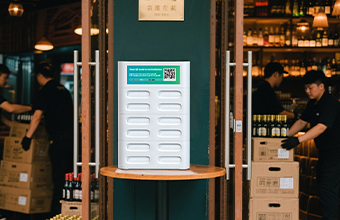
Restaurants, cafés, fast‑food chains, and food courts benefit immensely from offering charging facilities. Patrons often stay longer to charge their devices, leading to higher order values. For outdoor dining areas, weatherproof shared power bank stations can be placed on patios or terraces, capturing both dine‑in and takeaway customers. Night‑time orders from bars and late‑night eateries generate substantial after‑hours revenue.
4.3 Transportation Hubs
Airports, train stations, bus terminals, and subway concourses are high‑traffic zones with large numbers of travellers who rely on their phones for tickets, navigation, and communication. Installing shared power bank stations near waiting areas, boarding gates, or arrival halls ensures constant usage. The turnover rate is exceptionally high, and rental durations often extend beyond 1‑2 hours during layovers, maximising income per device.
4.4 Retail Stores and Shopping Malls
Malls and standalone retail stores can use shared power bank kiosks to increase footfall and prolong shopping visits. Shoppers who charge their devices tend to browse more stores, increasing the likelihood of impulse purchases. For chain retailers, placing units at multiple locations creates a closed‑loop network—users can pick up a shared power bank at one branch and drop it off at another, boosting brand loyalty and repeat visits.
4.5 Hotels and Hospitality Venues
Hotels, resorts, and hostels cater to guests who often forget their chargers or need backup power during excursions. A shared power bank station in the lobby, poolside, or business centre enhances guest satisfaction and serves as an extra amenity. Many properties also use the screen to advertise spa services, restaurant specials, or local tours, generating ancillary revenue.
4.6 Entertainment and Nightlife
Cinemas, concert halls, stadiums, and nightclubs are ideal for shared power bank deployment. Patrons are frequently separated from their bags or outlets, and the need for battery top‑ups is acute. Nightlife venues, in particular, see peak usage during late hours when other charging options are unavailable. The screens can be programmed to show event schedules, upcoming acts, or drink promotions, creating a win‑win for both the venue and the operator.
5. Future Development Potential of Shared Power Bank Networks
Beyond immediate rental income, the shared power bank ecosystem offers significant growth avenues. As technology evolves and data analytics mature, operators can unlock multiple layers of value.
5.1 IoT and Smart Inventory Management
The next generation of shared power bank stations will integrate IoT sensors that monitor battery health, usage patterns, and even environmental conditions. Machine learning algorithms will predict peak demand times and automatically suggest optimal restocking schedules. This reduces waste, improves device availability, and enhances user satisfaction. Over time, these smart networks can interface with city‑wide smart infrastructure, becoming part of the urban mobility ecosystem.
5.2 Advertising and Data‑Driven Revenue
The built‑in high‑brightness screens on each shared power bank unit are not just for operational info—they are valuable advertising real estate. Operators can run targeted ads based on location and time of day, or lease screen slots to local businesses. Moreover, anonymised data on user demographics (via payment methods) and rental behaviour can provide insights for retailers and marketers, creating a new revenue stream without compromising privacy. Some providers already generate 20‑30% of their total income from advertising and data partnerships.
5.3 Cross‑Border Scalability and Partnerships
Overseas deployment is not limited to single‑unit installations. Franchise models and master‑license agreements allow rapid expansion across regions. For example, a shared power bank brand can partner with a local distributor who handles logistics and customer support, while the technology provider manages the software and payment backend. This modular approach lowers entry barriers and speeds up market penetration. Additionally, partnerships with telecom carriers, ride‑hailing apps, and mapping services can integrate charging availability into their platforms, driving user acquisition organically.
6. Conclusion
The overseas deployment of shared power bank stations presents a compelling business opportunity in 2025 and beyond. With projected market growth exceeding 16% CAGR, robust hardware designed for diverse climates, seamless global payment integration, and a vast array of high‑footfall scenarios—from tourist spots to nightlife venues—the feasibility is well established.
Beyond immediate rentals, the development potential includes smart IoT networks, advertising monetisation, and scalable cross‑border partnerships, ensuring long‑term profitability and competitive differentiation. For retailers, venue owners, and entrepreneurs looking to enter the sharing economy, investing in shared power bank infrastructure is a low‑risk, high‑reward strategy that answers a universal consumer need.
To explore deployment options, custom branding, or pricing plans, visit our product catalogue or view successful case studies from similar overseas installations. The future of portable power is shared—and it starts with you.