How to Start a Power Bank Rental Business: A Step-by-Step Guide
A power bank rental business allows customers to rent portable chargers from rental stations, use them when needed, and return them to the same or another compatible station.
As smartphones have become essential for communication, payments, navigation and entertainment, the demand for convenient mobile charging continues to grow. Shared power bank rental services are now commonly found in restaurants, cafés, shopping malls, hotels, airports, entertainment venues and tourist attractions.
For entrepreneurs, distributors and local operators, this creates an opportunity to build a flexible and scalable business. However, starting a successful power bank rental business requires more than simply purchasing rental stations. You also need to choose the right market, locations, equipment, software, payment system and business model.
Here are the key steps to get started.
1. Understand the Power Bank Rental Business Model
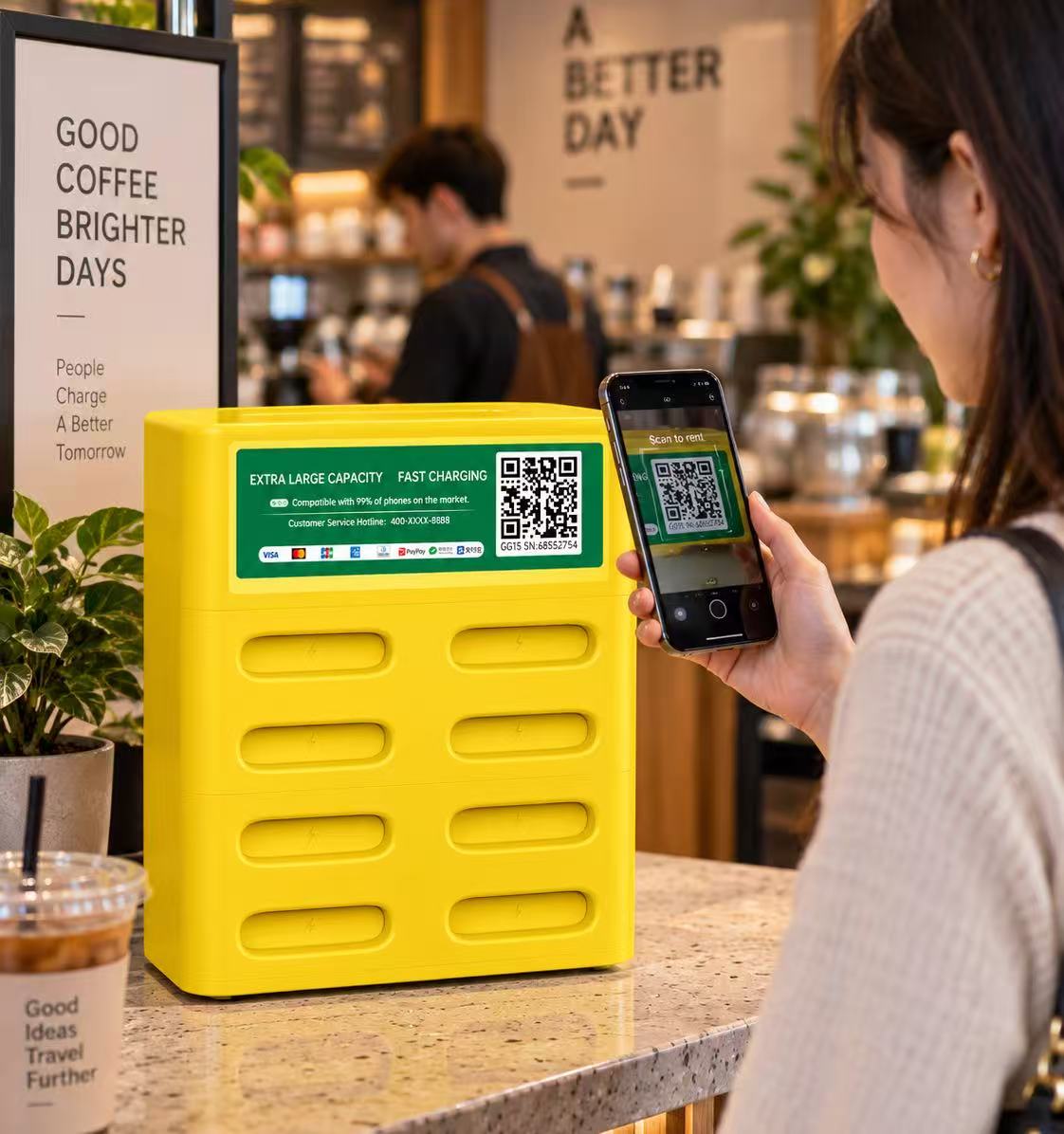
The basic rental process is simple:
Scan QR Code → Pay → Power Bank Release → Use → Return
A typical shared power bank business involves three main parties:
Operator: Manages the rental network, equipment, software, pricing and operations.
Merchant: Provides space for the rental station and may receive a share of the rental revenue.
Customer: Rents, uses and returns the power bank.
Revenue usually comes from rental fees. Depending on the business model, operators can also generate additional revenue through advertising, brand partnerships and merchant cooperation.
The key advantage of this model is that customers only pay when they need a power bank, while operators can generate repeated rental revenue from the same equipment.
2. Choose Your Target Market and Locations
Market research should come before equipment purchasing.
Start by understanding your target customers and local market conditions. Important factors include:
Customer demand for mobile charging
Local payment methods
Existing competitors
Rental pricing
Smartphone usage
Local regulations
Potential merchant partners
Location is one of the most important factors affecting the success of a power bank rental business.
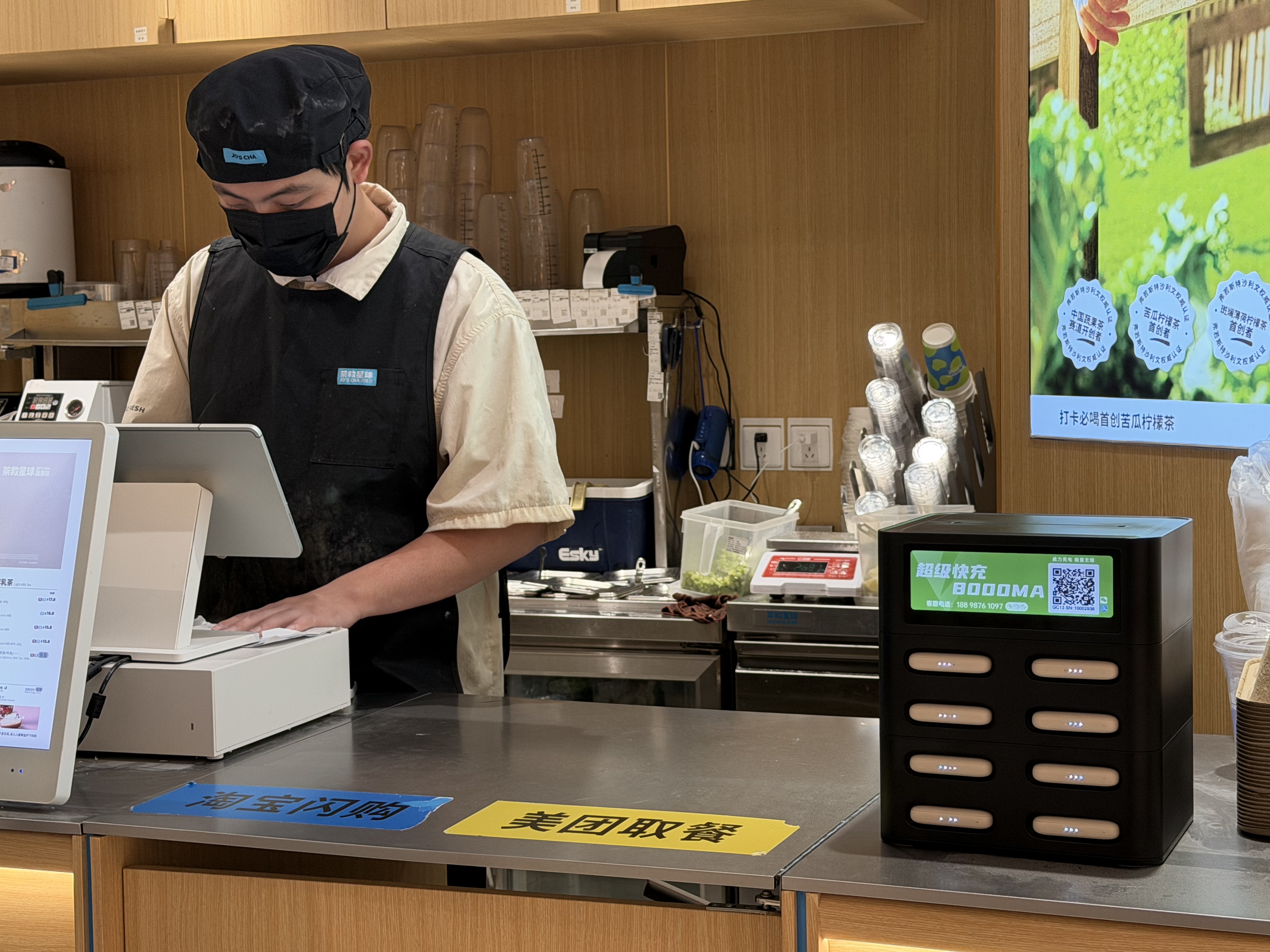
Good locations usually have high customer traffic and situations where people may need extra battery power. These include restaurants, cafés, shopping malls, hotels, airports, bars, tourist attractions and entertainment venues.
For a new operator, it is usually better to start with one city or a limited number of locations. This makes it easier to test customer demand, pricing and merchant cooperation before expanding.
3. Choose the Right Rental Stations and Power Banks
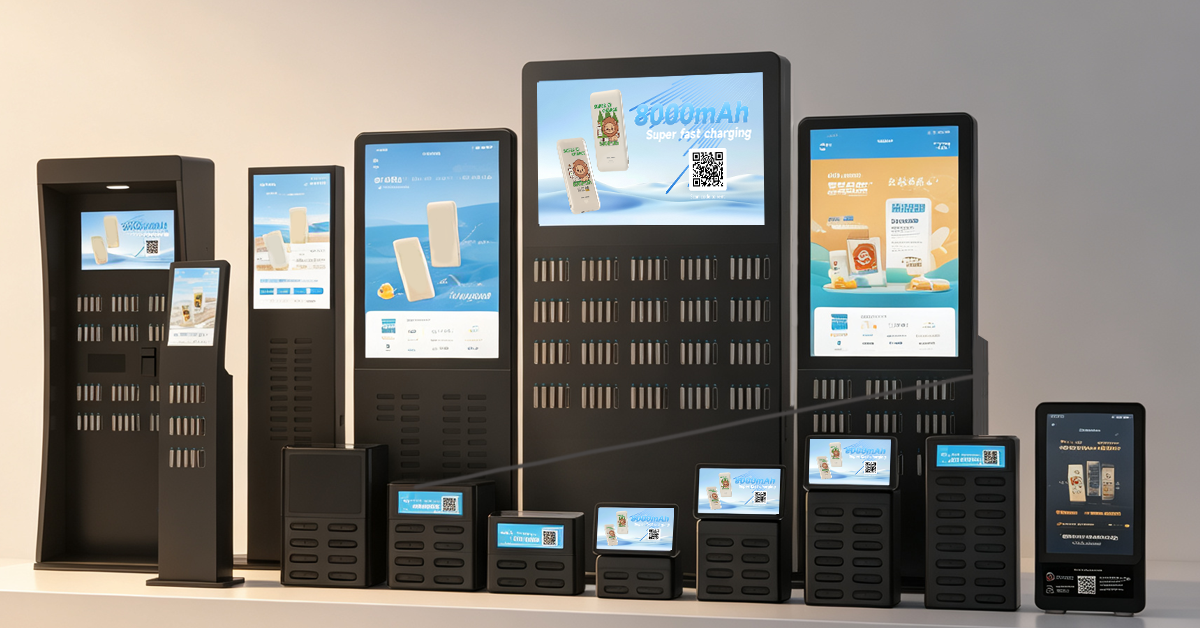
Different locations require different equipment.
Small cafés or restaurants may only need compact rental stations, while shopping malls, airports and large entertainment venues may require higher-capacity stations.
When selecting equipment, consider:
Station capacity
Power bank capacity
Charging speed
Cable types
Network connectivity
QR code rental
Remote monitoring
Advertising display
Branding and customization
The goal is not simply to choose the largest station. The equipment should match the expected rental demand of each location.
For operators planning to build their own brand, OEM/ODM and white-label options are also important. Stations, power banks, packaging and software interfaces can be customized according to the brand and target market.
VSCHARGE provides shared power bank rental stations and power banks, with OEM and ODM customization options for international operators. Customization can include station appearance, colors, logos, power bank branding and other project-specific requirements.
4. Set Up Software and Payment Integration
Software is the system that connects customers, rental stations, merchants and operators.
A complete power bank rental platform may include:
H5 rental page
Operator dashboard
Merchant management
Order management
Payment integration
Remote station monitoring
Rental and return tracking
Data reporting
API integration
A white-label software solution allows operators to provide the rental service under their own brand without developing the entire platform from scratch.
VSCHARGE supports multiple software cooperation models. Operators can use a complete rental software solution, customize a white-label platform, or connect their own software and payment system to VSCHARGE hardware through API integration.
Payment integration is another important part of the customer experience. Depending on the target market, customers may use bank cards, mobile wallets, QR payments or local payment gateways.
A good rental process should be simple and fast:
Scan → Pay → Rent → Return
For international projects, it is important to confirm whether the equipment and software can support the payment methods and technical requirements of the target country.
5. Choose the Right Business and Revenue Model
There are several ways to operate a shared power bank network.
Common cooperation models include:
Direct operation
Agent or distributor model
Revenue-sharing model
Franchise model
For example, an operator can install rental stations in restaurants and cafés and share part of the rental revenue with merchants. This can make it easier to build a large network without owning every location.
The best business model depends on your investment, target market, expansion plan and relationship with local merchants.
Operators should also consider pricing carefully. Rental prices should reflect local purchasing power, competitor pricing, rental duration and operating costs.
6. Start With a Pilot Project
For a new power bank rental business, starting with a pilot is often the most practical approach.
Instead of immediately purchasing hundreds of stations, begin with a limited number of machines and test several types of locations.
During the pilot period, track key performance indicators such as:
Rentals per station
Average rental duration
Daily revenue
Customer demand
Return rate
Location performance
Merchant feedback
This data helps operators identify which locations and pricing strategies work best.
For example, if restaurants generate significantly more rentals than other locations, the operator can focus on expanding the network in similar venues.
A typical expansion process is:
Pilot → City Expansion → Regional Network → National Expansion
VSCHARGE supports both small pilot projects and larger shared power bank deployments, allowing operators to test their local market before expanding the network.
Starting small reduces risk and allows the business model to be optimized before larger investments are made.
7. Build a Scalable and Reliable Network
Once the pilot proves that the business model works, the next step is expansion.
As the number of stations increases, management becomes more complex. Operators need reliable hardware, stable software, payment systems, remote monitoring and technical support.
Maintenance should also be considered from the beginning. Common issues may include damaged power banks, cable problems, station communication failures, payment problems and lost devices.
A reliable technology partner can help provide:
Power bank rental stations
Shared power banks
Rental software
White-label solutions
Payment integration
API integration
OEM/ODM customization
Technical support
VSCHARGE provides integrated hardware and software solutions for international shared power bank projects, including rental stations, power banks, white-label software, payment integration, API connectivity, OEM/ODM customization and technical support.
Choosing a supplier that can support both the initial pilot and future expansion can make long-term operations easier.
How Much Does It Cost to Start?
The investment required depends on the number and type of stations, power banks, software, customization, payment integration, shipping, installation and marketing.
There is no single cost that applies to every project.
For new operators, a small pilot is often a better way to understand the real operating costs and revenue potential before making a larger investment.
The most important question is not simply how much the equipment costs, but how much revenue each station can generate in a suitable location.
FAQ
Can I start a power bank rental business with a small number of stations?
Yes. Starting with a small pilot allows you to test locations, pricing, customer demand and merchant cooperation before expanding.
Can I use my own brand?
Yes. VSCHARGE supports OEM, ODM and white-label solutions for operators who want to build their own shared power bank brand.
Can local payment methods be integrated?
Yes. Payment systems can be integrated according to the requirements of the target market. VSCHARGE also supports API integration for projects that need to connect their own software or payment infrastructure.
Conclusion
Starting a power bank rental business requires more than purchasing charging stations. A successful network depends on the right combination of market, location, hardware, software, payment and business model.
The most practical approach is to start with a small pilot, collect real operating data, optimize the business model and then gradually expand.
With the right technology partner and a clear expansion strategy, a local power bank rental project can develop into a larger city, regional or even international shared charging network.
VSCHARGE provides shared power bank hardware, software, OEM/ODM customization, white-label solutions, payment integration and API connectivity for international operators. Whether you are starting with a small pilot or planning a larger network, VSCHARGE can help you build a scalable shared charging solution for your market.
Ready to start your power bank rental business? Contact VSCHARGE to discuss your target market, station requirements, payment methods and pilot plan.


