Can I Buy the Hardware Without Using Supplier Software?
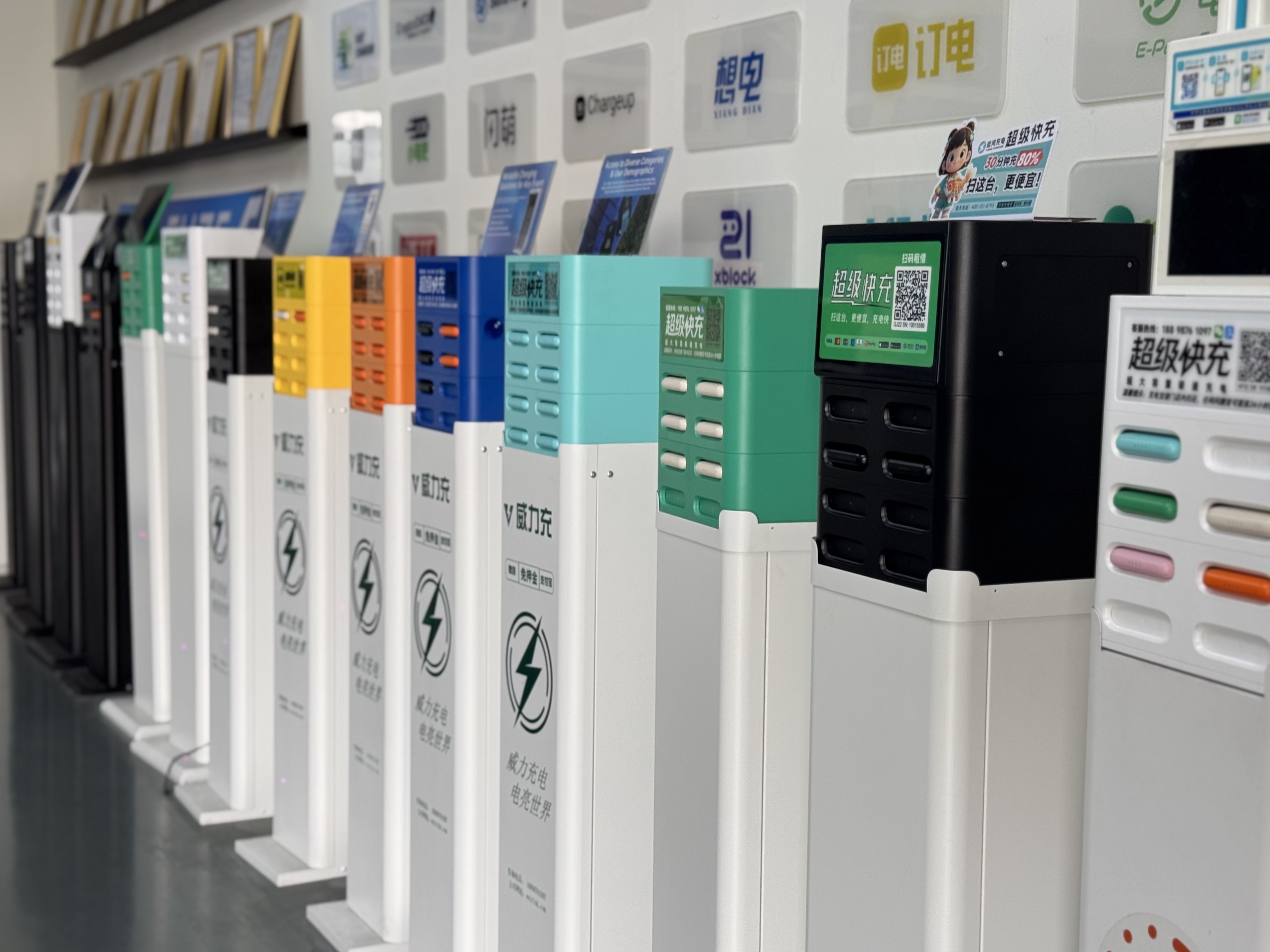
When starting a shared power bank rental business, one common question is whether you can purchase charging stations and portable chargers from a manufacturer while using your own software platform.
The answer is yes. Depending on the hardware and communication protocol, you may be able to purchase a portable charger rental station without using the supplier's rental software. This option is particularly suitable for companies that already have their own development teams, customer-facing applications, payment systems, or rental management platforms.
However, buying hardware separately from software requires more technical preparation. Before choosing a shared power bank supplier or placing an order, it is important to understand hardware compatibility, communication protocols, API integration, and ongoing technical support.
This guide explains what to consider when purchasing shared power bank rental hardware for your own software system.
1. Can I Buy a Shared Power Bank Station Without Supplier Software?
Yes. Some shared power bank manufacturers offer hardware-only solutions for customers who want to operate their own software platforms.
Instead of using the manufacturer's customer application and management backend, you can develop or operate your own system to manage rentals, payments, users, stations, and power banks.
This approach may be suitable for:
Technology companies with their own software development teams.
Existing rental platform operators adding power bank rental services.
Businesses that want full control over their customer experience and brand.
Operators who already have payment gateways and merchant accounts.
Companies planning to integrate charging stations into an existing digital platform.
When evaluating a shared power bank factory, confirm whether it supports hardware-only purchases and whether the equipment can communicate with an external server.
Not every charging station automatically supports third-party software integration. Hardware compatibility and communication documentation should be confirmed before ordering.
2. What Hardware Do You Need for Your Own Rental Platform?
A typical shared power bank rental system consists of three main hardware components:
Rental station: The station stores, charges, and releases portable chargers. Common configurations include 8-slot, 12-slot, and larger-capacity models. Screen-equipped and screenless options may also be available.
Portable power banks: These are the devices customers rent and use to charge their phones. Capacity, charging ports, output power, and compatibility should match your target market.
Network connectivity: The station needs a communication connection to exchange commands and status information with your backend. Depending on the model, connectivity may use 4G or Wi-Fi.
When selecting a power bank kiosk manufacturer, do not focus only on the number of slots or the appearance of the cabinet. Ask whether the hardware supports your required communication method and whether the manufacturer can provide the necessary technical documentation.
3. How Does the Charging Station Connect to My Own Backend?
This is one of the most important questions when purchasing an OEM shared power bank station.
In a hardware-only project, your software platform needs to communicate with the charging station. This is usually achieved through a defined communication protocol.
For example, an MQTT-based communication architecture can allow your backend server to exchange messages with connected stations.
A simplified rental process may look like this:
A customer scans the QR code displayed on the station.
Your web application or mobile app identifies the station and processes the rental request.
Your backend verifies the payment or payment authorization.
Your server sends a release command to the station.
The station releases the selected power bank.
The station reports the relevant device and slot information.
When the power bank is returned, the station sends a return event to your backend.
Your system updates the rental order and completes the payment process according to your business rules.
The exact communication process depends on the hardware model and protocol implementation.
Before purchasing from a shared power bank manufacturer, ask for its communication protocol, API documentation, supported commands, and integration requirements.
4. What Information Can My Software Receive from the Station?
A common concern for businesses developing their own rental platforms is whether they can monitor equipment and rental activity without the supplier's management dashboard.
The available data depends on the hardware protocol, but relevant information may include:
Station identification and online/offline status.
Power bank serial numbers (SN).
Slot numbers and occupancy status.
Power bank release events.
Return events and device status.
Battery information, where supported.
Communication and device error information.
This information can help your development team build its own management dashboard.
For example, your platform may use return events to identify which power bank has been returned and whether the rental order can be completed.
However, you should not assume that every data field is supported by every model. Request the protocol documentation and confirm the available data with the manufacturer before finalizing your software design.
5. Can I Use My Own Payment System and Rental Application?
Yes, if your hardware communication and software architecture support the required workflow.
When operating your own platform, you can design the customer experience around your business requirements.
For example, you may choose to provide:
QR-code-based rentals through your own website or app.
Your own customer registration and account management.
Your own Stripe account or another supported local payment provider.
Your own rental pricing, deposit, and overdue rules.
Your own operator dashboard and reporting system.
The payment provider and rental software are separate from the charging station itself. Your development team must connect the payment result to the hardware release process.
For example, the system should verify the payment authorization before sending a release command. It should also handle failed payments, rental time calculations, returns, and any applicable deposit release or additional charges.
Payment integration depends on the provider's API, supported countries, merchant account configuration, and technical requirements.
6. What Should You Ask an OEM Shared Power Bank Supplier Before Ordering?

Choosing the right OEM power bank rental station supplier is not simply about comparing unit prices.
If you plan to use your own software, ask these questions before confirming the order:
Hardware compatibility
Does the station support third-party backend integration?
Which station models are available for hardware-only projects?
Does the equipment support 4G, Wi-Fi, or both?
Are screen and screenless configurations available?
Communication and integration
Can you provide API or communication protocol documentation?
Does the station support MQTT communication?
Can my server send power bank release commands?
Can my system receive return events and device status information?
Is technical support available during integration and testing?
Product and customization
What power bank capacity and charging specifications are available?
Can you customize the station appearance, logo, or cabinet configuration?
Are samples available for development and compatibility testing?
Commercial and after-sales support
What is the minimum order quantity?
What are the sample price and production lead time?
What spare parts and warranty support are available?
Can additional stations be added to the same hardware integration later?
A professional power bank rental station manufacturer should be able to explain both the product specifications and the technical conditions required for integration.
7. Is Hardware-Only Purchasing Better Than Using Supplier Software?
There is no single answer. It depends on your team's capabilities and long-term business plan.
If you already have developers, a working backend, and payment integration experience, purchasing hardware separately may give you greater control over your platform and business operations.
On the other hand, if you do not have a technical team or want to launch quickly, using a supplier's existing rental software may reduce development work and simplify the initial setup.
Before making a decision, compare the total project cost, development time, technical responsibilities, and ongoing maintenance requirements.
Hardware-only purchasing does not necessarily mean lower total costs. Your business will need to develop, test, host, and maintain its own software infrastructure.
Conclusion: Choose a Hardware Supplier That Supports Your Business Model
You do not always need to use the software provided by your shared power bank supplier. For businesses with their own technical capabilities, a hardware-only solution can provide more flexibility in branding, payment management, customer experience, and platform development.
The key is to choose a manufacturer that supports your required communication protocol, provides clear technical documentation, and can assist with hardware integration.
WELINK (VSCHARGE), as a shared power bank factory and hardware supplier, provides rental stations, portable power banks, OEM customization, and hardware integration support for different business requirements.
Whether you are looking for a standard power bank rental station, an OEM shared power bank station, or hardware for your own rental platform, our team can help you evaluate a suitable configuration.
Contact VSCHARGE to discuss your project. Tell us your target market, preferred station capacity, and whether you plan to use your own backend. Our team can help you review the available hardware and integration requirements.


