What Data Should You Monitor When Running a Shared Power Bank Rental Business?
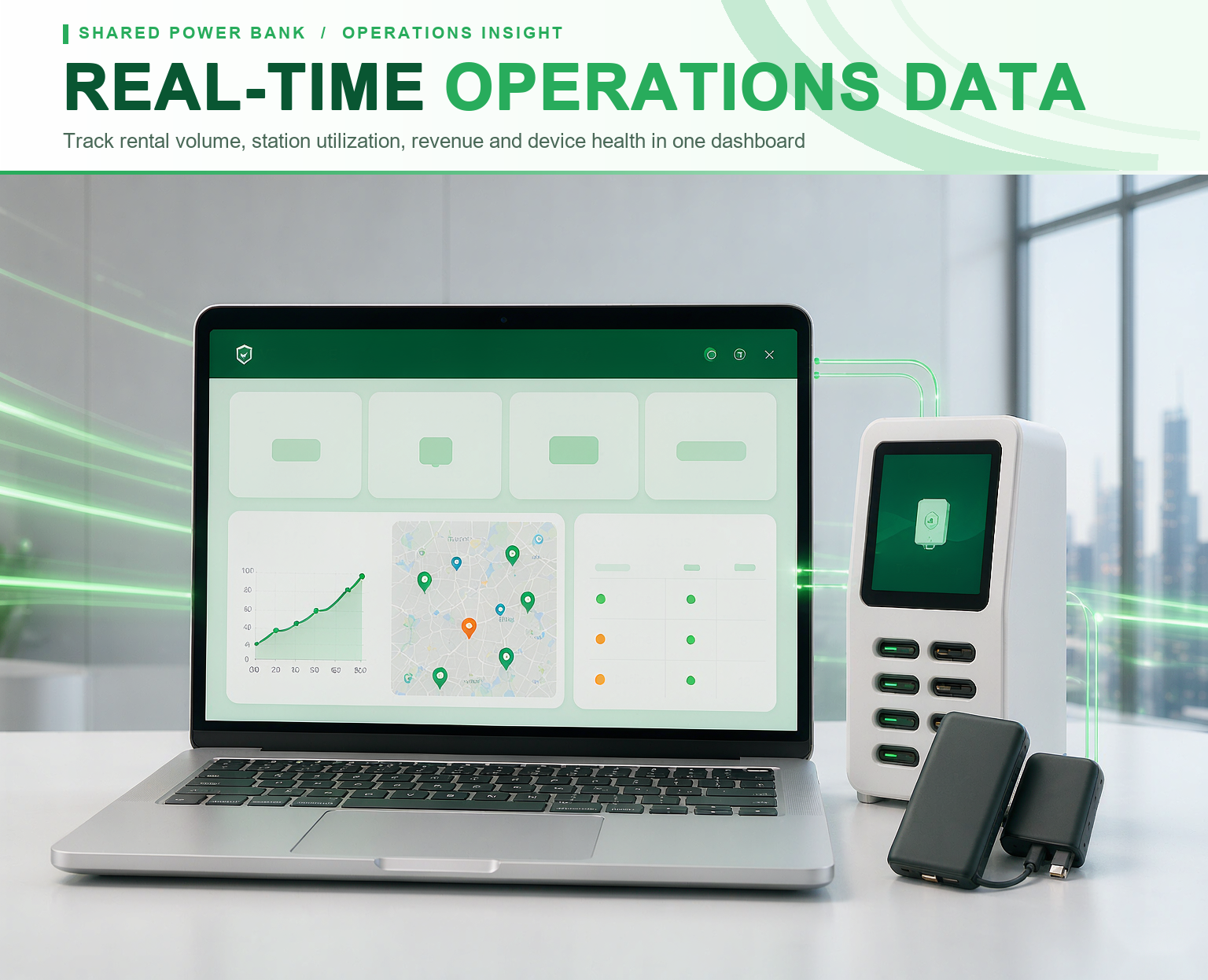
Running a shared power bank rental business involves more than installing stations and waiting for customers. To operate efficiently and grow your network, you need to understand how your stations, power banks, rental orders, and business locations are performing.
Without proper data monitoring, operators may struggle to identify underperforming locations, manage inventory, or detect equipment problems.
So, what data should you monitor?
Here are seven important metrics that can help you manage your rental business and make better operational decisions.
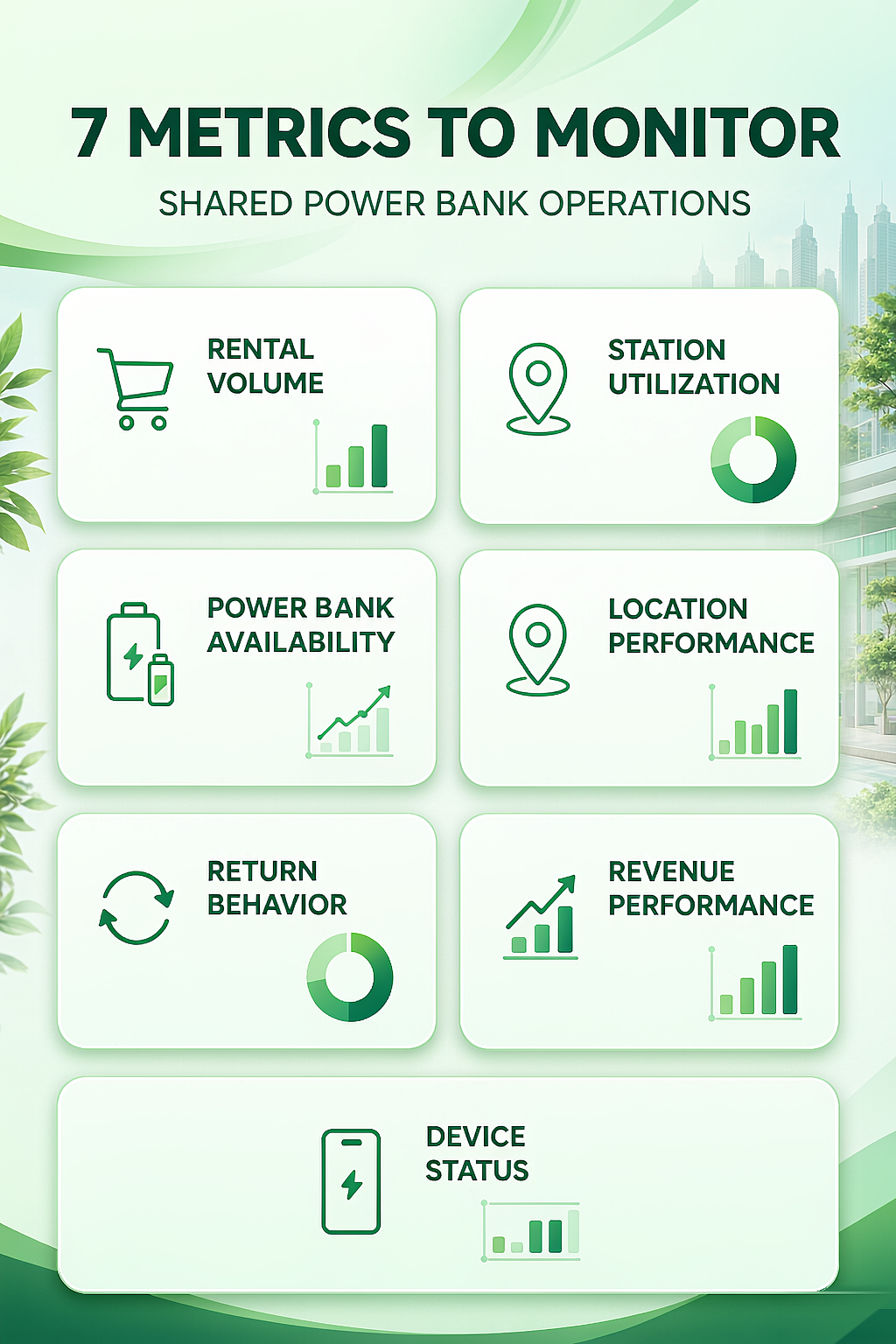
1. Rental Volume: How Many Rentals Does Each Station Generate?
Rental volume shows how frequently customers use your stations and helps you understand overall demand.
Operators should monitor:
Total rental orders per day, week, and month.
Rental frequency of individual stations.
Peak rental hours.
Changes in rental activity over time.
For example, if one station generates significantly more rentals than another, it may indicate higher customer traffic or stronger demand at that location.
Comparing rental volume helps operators identify popular locations and plan future installations.
2. Station Utilization: Are Your Stations Being Fully Used?
Rental volume alone cannot show whether your equipment is being used efficiently.
Station utilization helps operators understand how effectively available rental capacity is being used.
Important data includes:
Available and occupied slots.
Number of power banks currently rented out.
Number of power banks inside each station.
Rental activity during busy periods.
If a station frequently runs out of available power banks, additional inventory may be needed. If most power banks remain unused, the station may have more capacity than the location requires.
Monitoring utilization helps operators optimize equipment allocation.
3. Power Bank Availability: Are Enough Chargers Ready?
Power bank availability directly affects customer experience.
If customers arrive at a station but cannot find an available power bank, they may choose another charging service.
Operators should monitor:
Available power banks at each location.
Battery percentage of returned power banks.
Number of power banks currently rented.
Power banks that fail to charge properly.
This information helps operators identify inventory shortages and arrange timely replenishment.
For businesses managing multiple locations, remote inventory monitoring can reduce unnecessary physical inspections.
4. Location Performance: Which Venues Generate More Revenue?
Not every rental location performs equally.
A shopping mall may generate more rental orders than a small restaurant, but higher rental volume does not always mean higher profit.
Operators should compare:
Rental orders by location.
Revenue generated by each station.
Peak rental periods.
Venue commissions and operating costs.
By reviewing these figures, operators can identify successful locations, improve underperforming stations, and make better decisions when expanding their network.
5. Return Behavior: Are Customers Returning Power Banks on Time?
Return records help operators understand customer behavior and manage their power bank inventory.
Useful information includes:
Active rental orders.
Average rental duration.
Overdue rentals.
Completed return records.
Power banks that remain unreturned.
If certain locations experience more overdue rentals, operators may need to review their rental rules, return instructions, or deposit policies.
A suitable rental management system can support deposit pre-authorization, rental billing, and overdue charge configurations according to the business requirements.
6. Revenue Performance: How Much Does Your Business Generate?
Revenue monitoring helps operators understand the financial performance of their rental network.
Important data includes:
Total rental revenue.
Revenue by station or location.
Average revenue per rental.
Payment and refund records.
Transaction fees and operating expenses.
Operators should distinguish between gross rental revenue and actual profit. Payment processing fees, venue commissions, logistics, and maintenance costs should also be considered.
Regular financial reviews help identify profitable locations and support better business planning.
7. Device Status and Battery Performance: Is Your Equipment Working Properly?
Equipment performance is just as important as rental and revenue data.
A station that frequently goes offline or a power bank that fails to charge can affect service availability.
Operators should monitor:
Station online and offline status.
Network connection information.
Slot and device status.
Individual power bank serial numbers (SN).
Battery percentage.
Rental and return events.
For example, if a station frequently disconnects, operators can investigate its SIM card, network coverage, or local connectivity.
Tracking power banks through their unique SNs also helps identify units with repeated charging or rental problems.
8. How Can Rental Management Software Help?
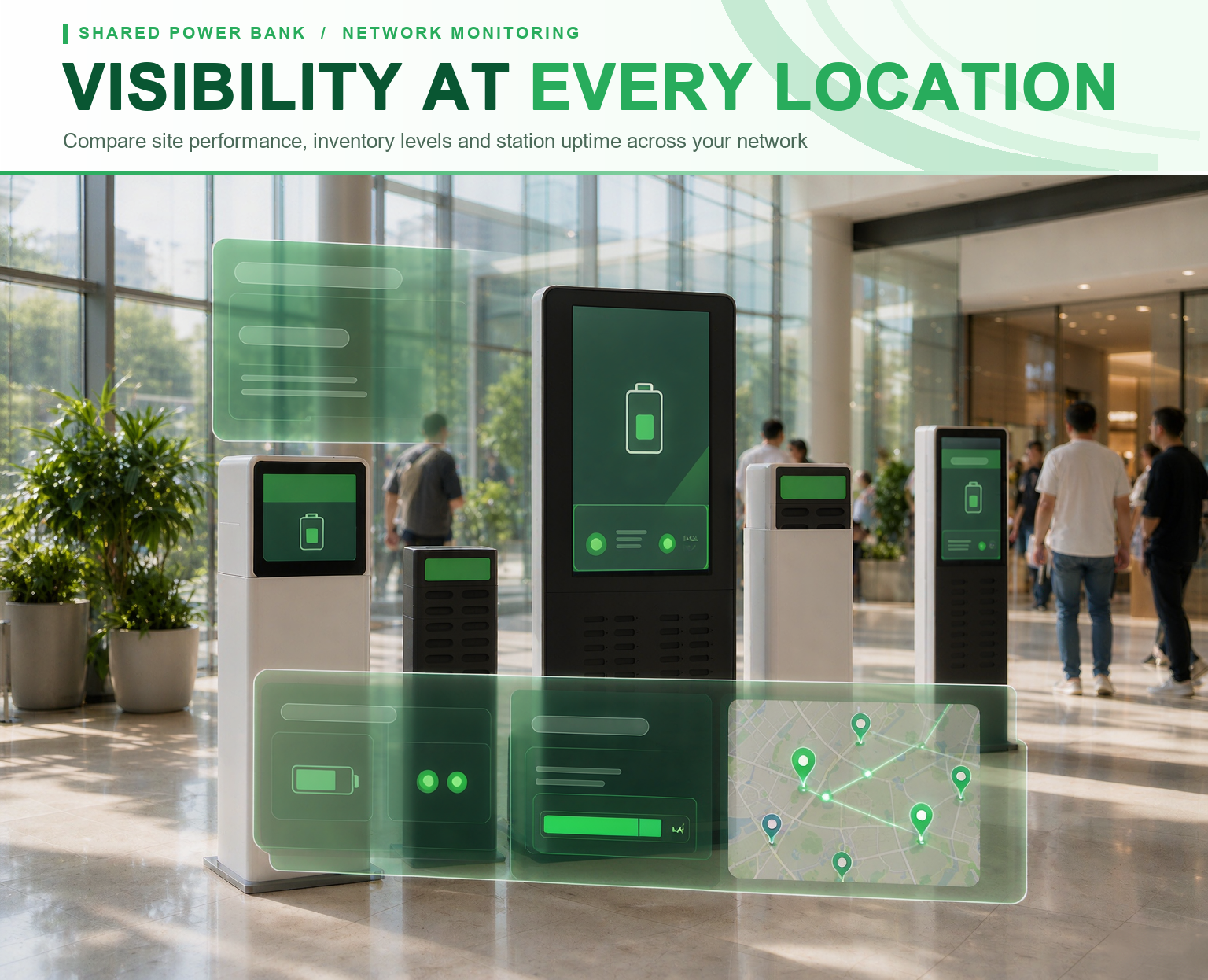
When operating a few stations, manual record-keeping may be sufficient. However, managing dozens or hundreds of stations across different locations requires a more systematic approach.
A centralized rental management platform can help operators:
Manage stations: View station information, online status, and available slots.
Track power banks: Review individual IDs, battery information, and rental status.
Manage orders: Check active rentals, completed orders, and return records.
Monitor revenue: Review transaction information and operational reports.
Export data: Download supported records in Excel or CSV formats for further analysis.
VOLINKS provides shared power bank rental hardware and software solutions, including station management, power bank management, rental records, and operational reporting.
For businesses with their own software platforms, hardware integration can also be discussed based on the selected model and communication protocol.
Conclusion
Monitoring the right operational data is essential for running a successful shared power bank rental business.
From rental volume and station utilization to inventory, revenue, and equipment status, each metric provides valuable insight into your network's performance.
The goal is not simply to collect more data, but to use it to improve operations, reduce problems, and make better business decisions.
At VOLINKS, we provide shared power bank rental stations, power banks, software solutions, API integration, and OEM/ODM customization to support operators building their own rental networks.
Looking for a complete shared power bank rental solution? Contact VOLINKS to discuss your business requirements.
Frequently Asked Questions
1. What is the most important data to monitor?
Rental volume, station utilization, power bank availability, revenue, and equipment status are among the most important operational indicators.
2. Can I monitor multiple rental stations from one dashboard?
Yes. A centralized management platform allows operators to view station information, power bank status, rental records, and operational reports across multiple locations.
3. How can I identify underperforming locations?
Compare rental volume, revenue, utilization, and operating costs across different locations to identify stations that may need improvement or relocation.
4. Can I use my own software to monitor rental station data?
Yes. Operators can discuss hardware integration through supported communication protocols and API documentation. Available data depends on the selected station model and integration configuration.


