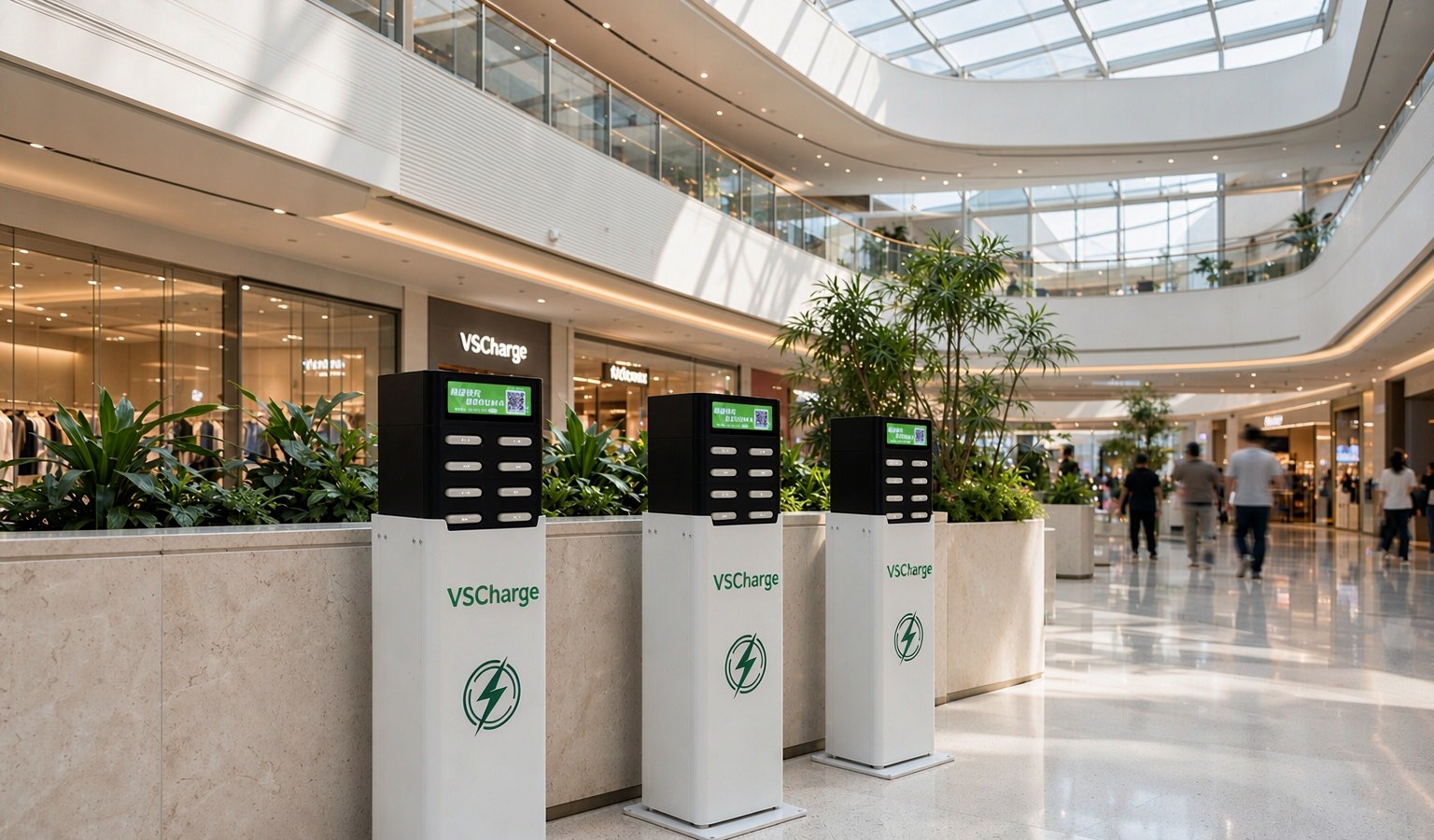
How to Choose the Right Shared Power Bank Station for Your First Pilot
Starting a shared power bank rental business does not require a large investment from day one. For new operators, a small pilot is a practical way to test customer demand, evaluate locations, and understand the business model before expanding.
However, choosing the right shared power bank station involves more than comparing prices. Station capacity, screen options, rental software, payment methods, and connectivity all affect your initial investment and daily operations.
In this guide, we explain how to choose the right power bank rental station for your first pilot.
1. Define Your Pilot Business Requirements
Before selecting equipment, clarify your target market and operating plan.
Consider the following questions:
Which country or region will you launch in?
How many locations will you test initially?
Will you deploy stations in cafés, restaurants, shopping malls, hotels, or other venues?
Do you already have your own rental software?
Which payment methods do your customers prefer?
What is your initial project budget?
These answers help you select a suitable configuration without paying for unnecessary features. For first-time operators, starting with a manageable number of stations can make it easier to evaluate demand and refine the business model.
2. Choose the Right Station Capacity
Station capacity determines how many power banks are available for customers to rent simultaneously. The ideal size depends on expected demand at each location.
8-slot power bank stations
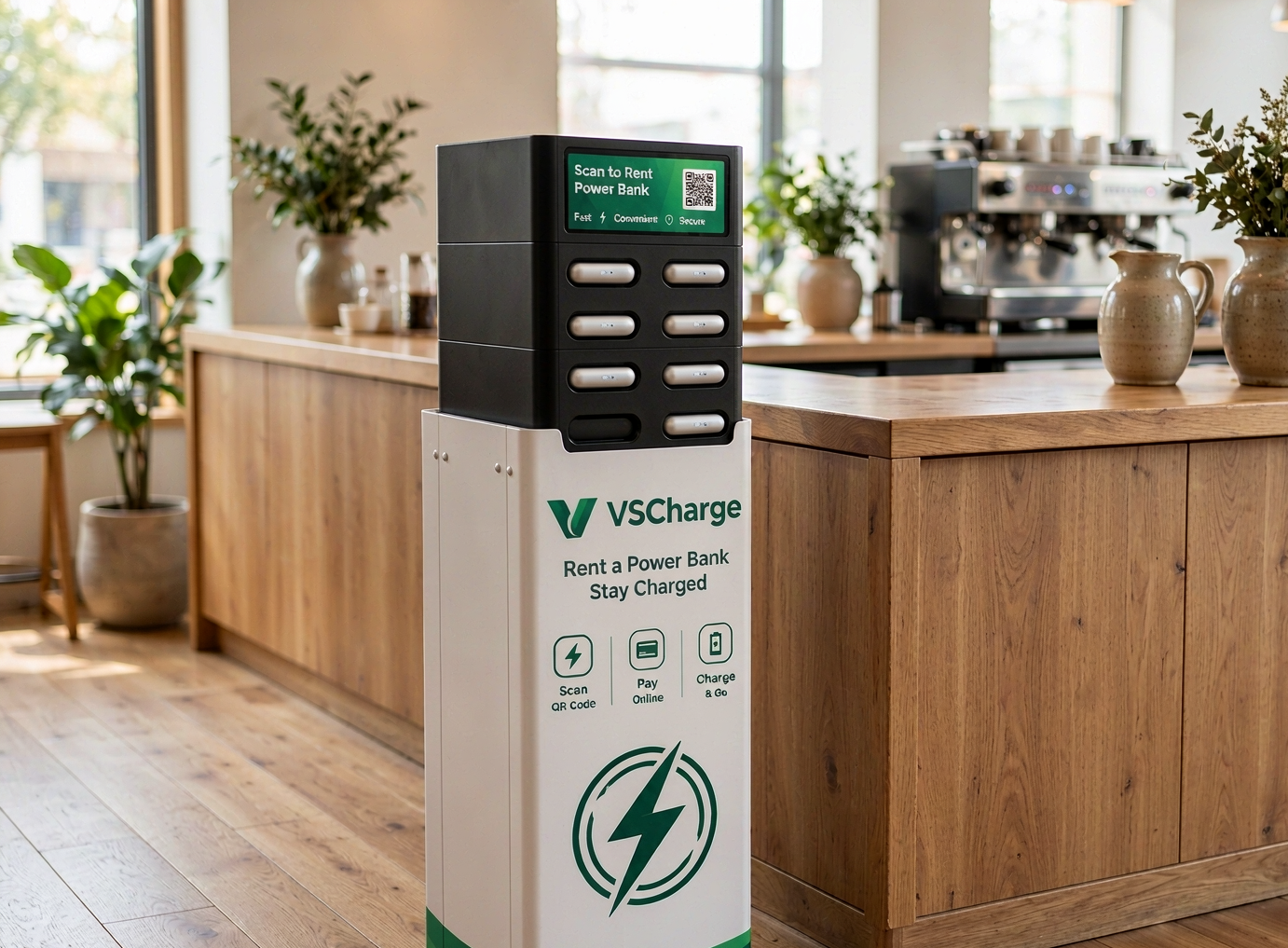
An 8-slot station can be a practical choice for a small pilot. It may suit cafés, smaller restaurants, bars, and other venues where demand has not yet been established.
Starting with a smaller configuration allows you to test the rental process and customer response before investing in additional equipment.
12-slot power bank stations
A 12-slot station offers more rental capacity and may be suitable for busier restaurants, hotels, entertainment venues, and other locations with potentially higher demand.
Although a larger station provides more capacity, it also requires a higher initial investment. Consider the venue's expected foot traffic and rental frequency before deciding.
Larger-capacity stations
Stations with 20 or more slots may be appropriate for high-traffic locations or established operators with proven demand.
For a first pilot, our recommendation is to compare 8-slot and 12-slot options based on your target venues. You can use actual rental data to determine whether additional capacity is needed.
3. Should You Choose a Station With a Screen?
Another important decision is whether to choose a screen-equipped or screenless station.
Screenless stations may be suitable if you want a straightforward configuration and need to control your initial hardware budget. Depending on the setup, customers can scan a QR code to access the rental process.
Stations with screens provide additional opportunities to display instructions, brand messages, and promotional content. They may be useful in busy public venues or when you want to build an independent brand.
Before making a decision, consider your target locations, marketing strategy, and budget. Ask your supplier to confirm the screen size, supported functions, network configuration, and customization options.
The best choice is the one that meets your operational needs rather than simply offering more features.
4. Select the Right Rental Software
A shared power bank rental station needs a compatible software system to support customer rentals and business management.
There are three common approaches.
Use supplier-provided software. This can be a practical option if you do not have your own technical team. Depending on the package, the system may support QR-code rentals, payment processing, rental records, station monitoring, pricing settings, and return management. Confirm which functions are included and whether setup or ongoing fees apply.
Integrate your own software. If you already have a website, mobile app, or management backend, ask the supplier about available APIs, communication protocols, device control, and return-event data. Confirm compatibility and testing requirements before ordering.
Start with managed software and integrate later. Some operators prefer to launch with supplier-provided software and consider their own platform after validating the business model. If you plan to migrate later, discuss hardware compatibility and integration requirements in advance.
Choosing the software approach early helps you avoid unexpected development costs and delays.
5. Confirm Payment Methods for Your Market
Payment availability is essential to the rental experience. A payment method that works in one country may not be suitable in another.
Depending on your market and provider, options may include credit and debit cards, Apple Pay, Google Pay, and local digital wallets or QR-code payment services.
Before ordering, confirm:
Which payment methods your target customers prefer.
Whether you already have a supported merchant account.
Whether your chosen payment provider supports your business model.
Whether integration requires additional development or fees.
For example, if you plan to use Stripe, check its availability in your business's registered country, account requirements, supported payment methods, and compatibility with your rental software.
Remember that hardware compatibility does not automatically mean a payment method is already integrated. Confirm the complete payment process with your supplier before launch.
6. Check Network Compatibility and Local Requirements
Your station needs reliable connectivity to communicate with the management system. Depending on the model, it may use a cellular network or another supported connection method.
Before purchasing, confirm that the station supports the mobile network technology and frequency bands used in your target market. Also check SIM card requirements, data costs, and expected signal coverage at your intended venues.
For international projects, ask about applicable product certifications and transport documents. Confirm these requirements before shipment to reduce the risk of delays or unexpected costs.
7. Calculate the Total Initial Investment
The station price is only one part of your startup budget. Your total investment may include:
Rental stations and power banks
Software setup or customization
Payment integration and transaction fees
Branding and packaging
International shipping and insurance
Import duties and taxes
Venue rental and operating expenses
Not every project requires all these items, and costs vary by configuration and destination.
When comparing suppliers, ask for a clear quotation that specifies what is included and what is charged separately. A lower hardware price does not necessarily mean a lower total project cost.
For your first pilot, focus on the minimum configuration needed to operate reliably. You can consider additional features as the business grows.
8. Plan for Future Expansion
Although your first deployment may be small, your equipment should support your longer-term business goals where possible.
Before placing an order, ask whether you can add compatible stations, manage multiple locations through the same system, customize the brand, and integrate your own backend if needed.
You should also understand the available technical support and the requirements for adding payment methods or new features.
The goal is not to purchase everything at once. It is to choose a setup that meets your current needs without unnecessarily limiting future development.
Conclusion: Start Small, Test, and Grow
Choosing the right shared power bank station begins with understanding your target market, expected rental demand, software requirements, and budget.
For many new operators, an 8-slot or 12-slot station can be a reasonable starting point. Whether you need a screen, supplier-provided software, your own backend, or specific payment integrations depends on your business model.
Before ordering, confirm the hardware configuration, software functions, payment compatibility, network requirements, and total delivery costs.
VSCHARGE (Shenzhen Welink Energy Co., Ltd.) provides shared power bank rental stations, compatible power banks, software solutions, and OEM/ODM customization options for different business requirements.
Planning your first shared power bank rental pilot?
Contact our team with your target country, expected number of stations, preferred configuration, and software requirements. We can help you evaluate a suitable solution for your project and provide a quotation.
Contact VSCHARGE to discuss your project and get started.